Applying from within Spain
Things to know when applying within Spain
Three Years vs One Year Permit!
If your application is approved while applying from within Spain, you will receive a three-year permit, compared to the one-year permit issued for applications submitted through a Spanish consulate abroad.
You Only Need to Be in Spain on the Day You Apply
One of the official requirements for an in-country application is simply that you are required to be legally in Spain on the day you submit your application. You do not have to remain in Spain while your application is being processed. After submitting your application, you are free to return to your home country and wait for the decision.
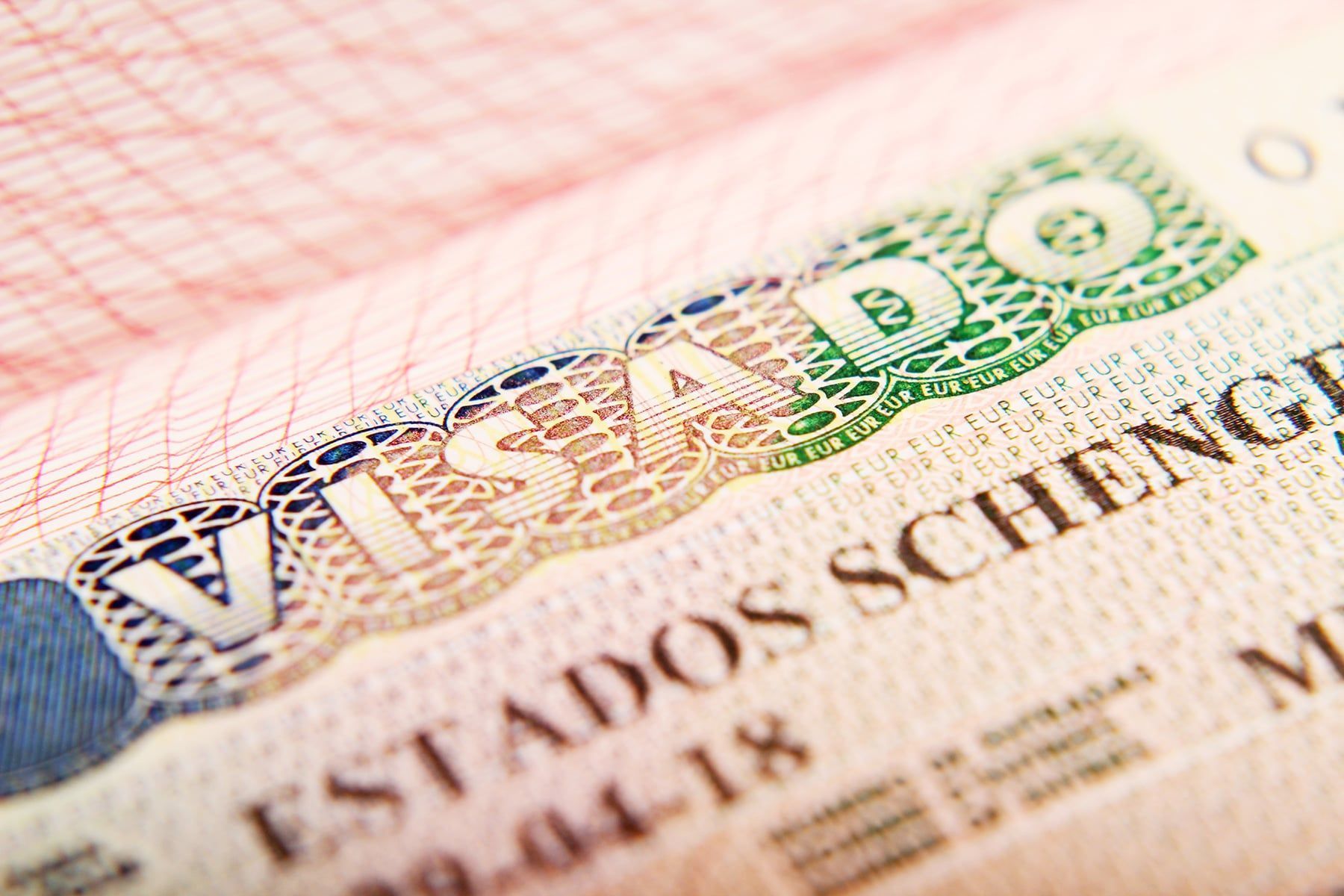
If you come from a country which requires a Schengen visa to enter Spain then things might get tricky as you still need a valid visa to re-enter Spain to complete the final stages.
Automatically Assigned NIE
When you apply from within Spain, you are automatically assigned a NIE number (Your ID number if you get approved). This is important because it saves time as you don't need to get an appointment to get a NIE number after your visa is approved which can take considerable time.
The Advantage of Positive Administrative Silence
When you apply from within Spain, you are subject to Positive Administrative Silence, means that if the UGE doesn't respond within 20 business days, your application will be subject to automatic approval (which is another process and takes time). This doesn't exist when applying through a consulate.
If You are Required to have a Schengen Visa
If you come from a country which requires a visa, receiving approval for your Digital Nomad Visa does
not mean you can immediately enter and leave Spain freely.
To enjoy unrestricted travel in and out of Spain—and throughout the Schengen Area as a resident—you must first receive your TIE (Tarjeta de Identidad de Extranjero), Spain's physical residence card. That card will replace your Schengen visa.
Obtaining the TIE is a separate process that begins only after your application has been approved. Depending on appointment availability and processing times, it can take anywhere from two to six months before you have the card in your hands.
Until you receive your TIE, you must still rely on a valid Schengen visa if your nationality requires one to enter Spain.
This is one of the most important details that many applicants overlook.
Your Visa Approval Does Not Give You Freedom to Travel
The official rule stating that you only need to be in Spain on the day of your application was primarily designed for nationals of countries that do not require a visa to enter Spain.
For them, the process is straightforward: submit the application, return home if desired, and come back once the application has been approved to complete the remaining formalities. If, however, you need a Schengen visa to enter Spain, the situation is different.
If your Schengen visa expires while you are waiting for your TIE, you may not be able to re-enter Spain to complete the required appointments, even though your Digital Nomad Visa has already been approved.
On the other hand, if your Schengen visa remains valid for at least several more months after you submit your application, you can continue traveling between Spain and your home country until your residence card is issued.
For this reason, the validity of your Schengen visa should be part of your application strategy—not an afterthought. Planning your travel dates carefully can save you months of delays and unnecessary complications later in the process.
How Long Does the Application Take?
Regardless of which city in Spain you apply from, Spanish law requires the immigration authorities to respond to a Digital Nomad Visa application within 20 working days.
This legal principle is known as Positive Administrative Silence (Silencio Administrativo Positivo).
Within that period, the authorities must issue one of three responses:
- A request for additional documentation
- Approval of your application
- Rejection of your application
In practice, however, the process doesn't always move as smoothly as the law suggests.
Even if your application is complete and all your documents are in order, it is common to receive a request for additional documentation near the end of the 20-working-day period. This is often due to high application volumes, administrative delays, and the tendency for cases to be reviewed at the last minute.
A request for additional documents legally extends the processing period by another 10 working days, giving the authorities more time to review your application.
Sometimes the requested documents may seem unnecessary, or they may even be documents you have already submitted. This can be frustrating, but it is a common part of the process.
The same thing happened in my case. On the final day of the initial review period, I received a request for additional documents. It was stressful at the time, but as soon as I resubmitted the requested paperwork, my application was approved that very same day.
What Happens If They Don't Respond?
In the rare event that the authorities fail to respond within the legal time limits, you may be able to rely on the principle of Positive Administrative Silence to have your application treated as automatically approved.
Although this legal protection exists, enforcing it is not immediate. The additional administrative process can itself take several months—sometimes up to six months—so it should generally be viewed as a safeguard rather than an alternative route to faster approval.
Where Should You Apply from Within Spain?
Ultimately, this is a personal decision.
Legally, you are not required to submit your application in the city where you intend to live. You can apply from anywhere in Spain. However, my recommendation is to apply in the city where you plan to settle.
There are several practical reasons for this.
Although there isn't much you can do while your application is still being processed, you'll want to start familiarizing yourself with everything that comes after approval. There will be numerous appointments to schedule, government offices to visit, tax registrations to complete, accounting arrangements to make, and other administrative tasks to organize.
Each city operates slightly differently, and learning how these procedures work in your chosen location before your visa is approved will make the transition much smoother.
Don't Underestimate the Empadronamiento
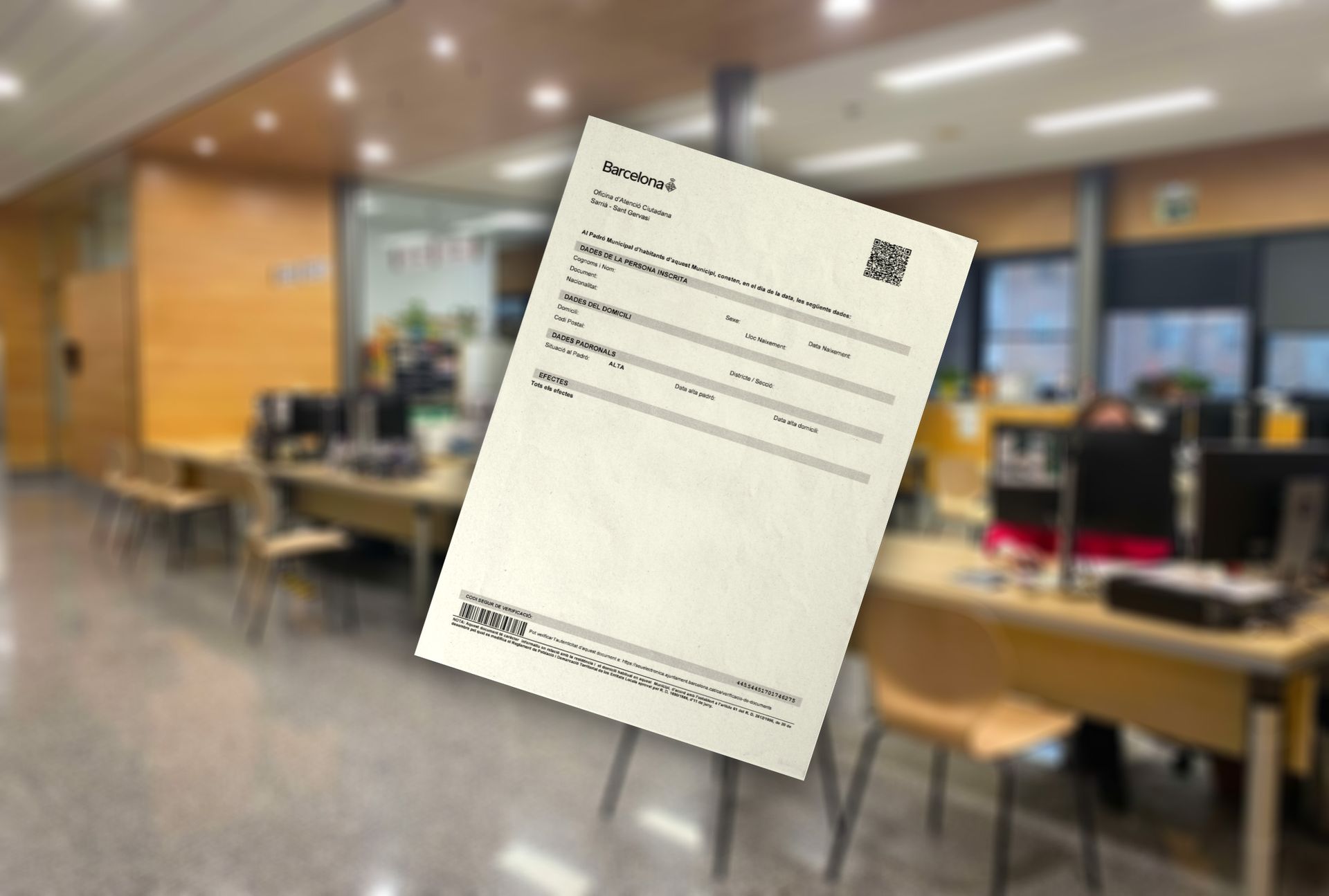
One of the first things you'll need to arrange after your Digital Nomad Visa is approved is your Empadronamiento (municipal registration).
Without it, you won't be able to complete many of the essential administrative procedures required to establish yourself in Spain.
On paper, it sounds like a simple registration. In reality, especially in larger cities such as Barcelona or Madrid, obtaining an Empadronamiento appointment can become one of the most frustrating parts of the entire relocation process.
Coming from Turkey, I was surprised by how difficult this seemingly straightforward procedure could be. What would normally take just a few minutes back home can require weeks of planning, repeated appointment checks, and a great deal of patience in Spain.
For that reason, I strongly recommend learning about the Empadronamiento process before you even submit your Digital Nomad Visa application. Understanding how it works—and planning for it in advance—will save you a considerable amount of time and stress once your visa has been approved.
I've written a dedicated guide explaining the Empadronamiento process in detail, and I highly recommend reading it before starting your move to Spain.